

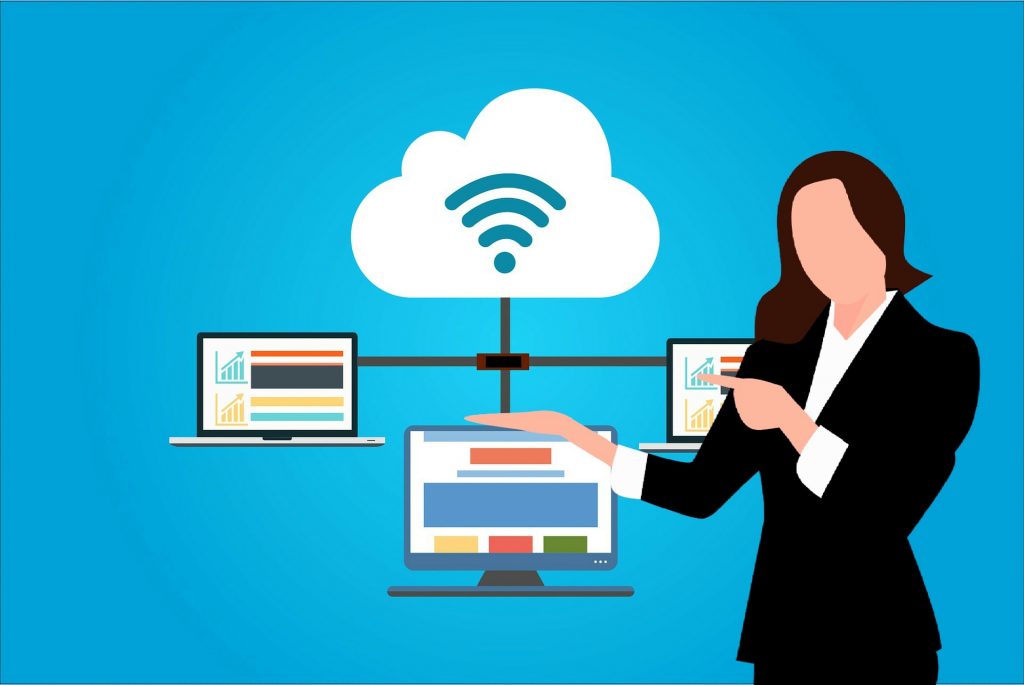
Cloud computing has transformed the way businesses store data, run applications, and collaborate — offering unmatched flexibility, cost-efficiency, and scalability. But like any technology, it’s not without its trade-offs. From data security concerns to potential downtime and vendor lock-in, understanding both the benefits and the limitations of cloud solutions is key to making informed IT decisions. In this post, we’ll explore the pros and cons of cloud computing and help you decide whether the cloud is the right fit for your business.
The Benefits of Cloud Computing:
Reduced costs
One of the greatest advantages of opting for cloud computing. You get lower software, bandwidth and licensing costs, which ultimately means lower capital and operating costs. This is a definite advantage for start-out businesses. In addition, you only have to pay for what you use.
Mobility
You get easy access to your data anywhere, using your PC, mobile device or browser. This makes it possible to collaborate with employees in different locations and in different time zones.
Scalability
Cloud services are instantly available for use. Also, the number of users can be scaled to your needs with no major drawbacks; with the exception of your monthly subscription rate.
Technology
Small and medium IT users would get access to shared IT and resources benefit from advanced technologies that would otherwise be non-affordable.
The Drawbacks (cloud computing cons):
Availability
Access to cloud services, applications, and your data largely depends on your internet connection. You may need to plan for redundant connections. A disaster recovery plan is also recommended in case the cloud service provider experiences an outage.
Security and Privacy
Essentially, cloud computing involves storing your data remotely or ‘in the cloud’, so you may not know who has access to it or where it is hosted. So, it is critical to select a service provider that adheres to strict security standards, such as the SAS 70 type II or SSAE16 certification.
Data Ownership
Having complete ownership of the data you store in the cloud may not be possible, and you might not even get your data back, should you choose to switch providers.
Limited Customization’s
Depending on the nature of your business, it may be impossible to adapt a particular cloud service to your business requirements.
☁️ Thinking About Moving to the Cloud?
Cloud computing offers flexibility, cost savings, and scalability — but it’s not one-size-fits-all. At Landon Technologies, we provide expert IT Consultation Services, Outsourced IT Support Services, and Backup and recovery services to help businesses transition to the cloud with confidence.
- Cloud readiness assessments
- Migration planning and execution
- Data protection and compliance support
- Ongoing cloud support and optimization
🏢 We help businesses in California and nationwide make smart, secure cloud decisions.
Frequently Asked Questions about Cloud Computing
What are pros and cons in cloud computing?
Cloud computing offers several advantages, including scalability, lower upfront costs, remote accessibility, automatic updates, and easier disaster recovery, but it also has some disadvantages. Businesses can quickly expand resources as needed, reduce spending on physical hardware, and allow users to access systems and data from almost anywhere with an internet connection. However, cloud computing can also introduce concerns related to internet dependency, ongoing subscription costs, data privacy, compliance requirements, and potential downtime from service outages. Organizations must also carefully manage cybersecurity and vendor relationships to ensure their cloud environments remain secure and reliable.
What are the 5 advantages of cloud computing?
The five major advantages of cloud computing are scalability, cost savings, remote accessibility, automatic updates, and disaster recovery. Cloud services allow businesses to quickly scale resources up or down as needed without purchasing additional hardware, while reducing upfront infrastructure costs through subscription-based pricing. Users can securely access applications and data from almost anywhere with an internet connection, and cloud providers typically handle software updates and maintenance automatically. Cloud computing also improves backup and disaster recovery capabilities by storing data redundantly across multiple locations.
What are 5 disadvantages of cloud computing?
Five common disadvantages of cloud computing are internet dependency, ongoing subscription costs, security and privacy concerns, potential downtime, and limited control over infrastructure. Because cloud services rely on internet connectivity, outages or slow connections can affect access to systems and data. While cloud computing reduces upfront hardware expenses, recurring monthly costs can grow over time. Businesses must also trust third-party providers with sensitive information, which can raise cybersecurity and compliance concerns. In addition, service outages from the cloud provider can disrupt operations, and organizations may have less direct control over hardware, configurations, and certain aspects of the environment compared to on-premises systems.
What is the main problem with cloud computing?
One of the main problems with cloud computing is dependency on internet connectivity and third-party providers. If the internet connection is slow or unavailable, access to cloud applications and data may be disrupted, which can impact productivity and operations. Businesses also rely heavily on cloud providers for uptime, security, and data protection, so outages, cyberattacks, or provider issues can affect multiple customers at once. In addition, concerns around data privacy, compliance, and long-term subscription costs are common challenges organizations must carefully manage when using cloud services.
☁️ Cloud Backup
☁️ Protect What Matters Most
Learn how to safeguard your business from data loss in our
👉 Cloud Backup Blog Category